Launch
Northrop Grumman Space Systems
Pegasus XL | Swift Boost Mission
- Mission
- rocket
- Pad
- Agency
Mission
Swift Boost Mission
Mission Extension
Low Earth Orbit
Contracted by NASA under the Small Business Innovation Research Phase 3 contract, Katalyst Space Technologies' LINK servicing spacecraft will rendezvous and attach to NASA’s Neil Gehrels Swift Observatory to re-boost its orbit. This aims to demonstrate a key capability for the future of space exploration and extending the Swift mission’s science lifetime in gamma ray astronomy.
Status
Launch Successful
The launch vehicle successfully inserted its payload(s) into the target orbit(s).
Pad
Location
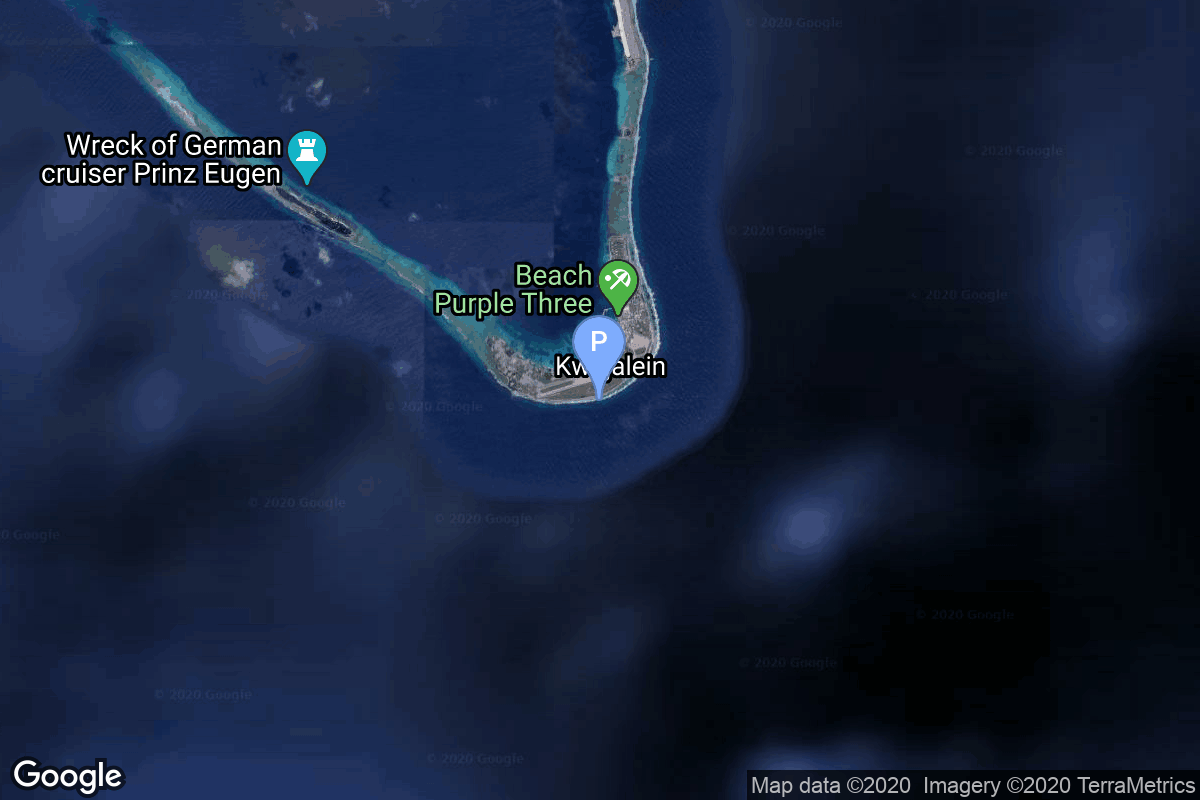
Air launch to orbit
52
0
Location Image
Rocket
Pegasus XL
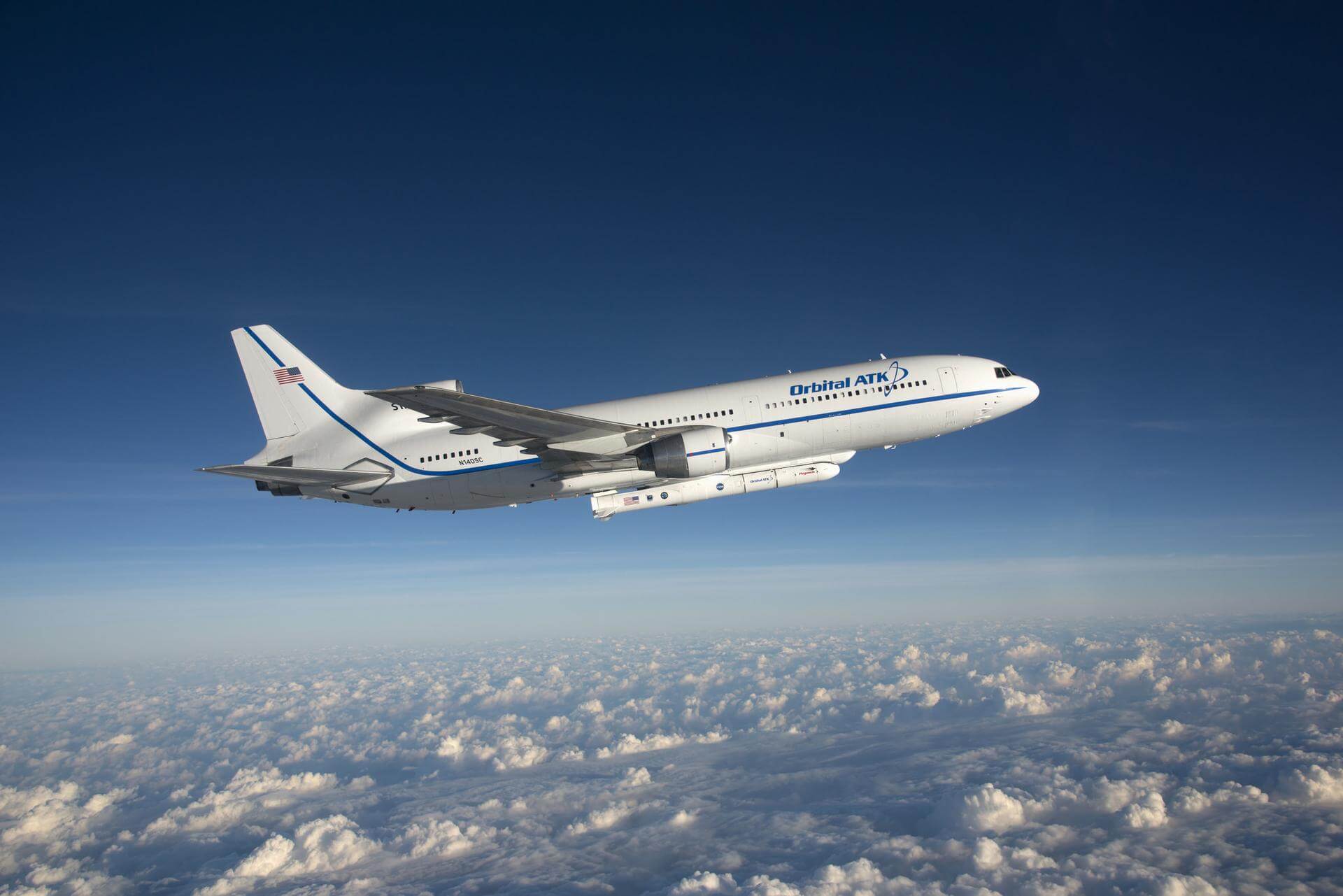
The Pegasus is an air-launched rocket developed by Orbital Sciences Corporation (now part of Northrop Grumman Innovation Systems). Capable of carrying small payloads of up to 443 kilograms (977 lb) into low Earth orbit, the vehicle consists of three solid propellant stages and an optional monopropellant fourth stage. Pegasus is released from its carrier aircraft at approximately 40,000 ft (12,000 m), and its first stage has a wing and a tail to provide lift and attitude control while in the atmosphere.
Family: Pegasus
Details
Max stage: 3m
Length: 17.6m
Diameter: 1.27
First Flight: June 27, 1994
Total launch count: 32
Successful launches: 29
Failed launches: 3
Consecutive successful launches: 26
Low Earth Orbit (LEO) capacity: 443kg
Launch cost: US$40000000
Apogee: 4000km


Agency
Northrop Grumman Space Systems
Type: Commercial
Details